នៅពេល ដែល បង្ហាញ បច្ចេកទេស បន្ត បង្កើន មនុស្ស រំពឹង ទុក គុណភាព បង្ហាញ ខ្ពស់ ជាង ការ ចាក់ វីដេអូ រលឿន និង អូឌីយ៉ូ និង រូបភាព ដែល បាន ធ្វើ សមកាលកម្ម ដោយ លេខិត ថាតើ នៅ ក្នុង ចន្លោះ ជុំវិញ បរិស្ថាន មជ្ឈមណ្ឌល បញ្ជា ឬ ការ ដំឡើង ហត្ថលេខា ឌីជីថល ។ ខាង ក្រោយ ការ ផ្ដល់ មាតិកា ទាំងអស់ នេះ មាន សមាសភាគ ធម្មតា ប៉ុន្តែ ជា ទូទៅ មិន យល់ នូវ សមាសភាគ មិន ត្រឹមត្រូវ ឡើយ ៖ សៀវភៅ HDMI ។
សំណួរ មួយ នៃ សំណួរ ទូទៅ បំផុត ដែល បាន កម្លាំង ដោយ អ្នក បញ្ចូល ប្រព័ន្ធ, កម្មវិធី គ្រប់គ្រង IT និង អ្នក ចង្អុល ការ កម្លាំង គឺ ៖ ប្រវែង HDMI អតិបរមា ដែល សមរម្យ សម្រាប់ ការ រៀបចំ របស់ ខ្ញុំ ? ចម្លើយ មិន ត្រឹមត្រូវ ឡើយ ។ ប្រវែង HDMI អាស្រ័យ លើ កម្រិត ច្រើន ដែល រួម បញ្ចូល គុណភាព បង្ហាញ ប្រភេទ ខ្សែ ត្រឹមត្រូវ សញ្ញា និង បរិស្ថាន ដំឡើង ។
នៅ ក្នុង អត្ថបទ នេះ យើង នឹង យក សញ្ញា កម្រិត ខ្លាំង ទៅ កាន់ ប្រវែង អតិបរមា របស់ HDMI ពិត ជា មាន ន័យ ថា រយៈពេល ដែល ខៀវ HDMI អាច ផ្លាស់ប្ដូរ សញ្ញា ដែល មាន ជោគជ័យ ។ អ្វី ដែល បញ្ហា ដែល កើត ឡើង ជាមួយ ចម្ងាយ និង របៀប អ្នក អាច ជ្រើស ដំណោះស្រាយ HDMI ត្រឹមត្រូវ សម្រាប់ គម្រោង របស់ អ្នក ។ យើង នឹង ពន្យល់ ផង ដែរ ថា តើ អ្នក បង្កើត ការ បង្ហាញ មធ្យោបាយ ដូចជា Qtenboard ជួយ អ្នក រចនា សម្ព័ន្ធ តាម របៀប ណា? ដំណោះស្រាយ ចម្ងាយ HDMI ដែល មាន មូលដ្ឋាន លើ ការ ទាមទារ ពិភព លោក ពិត ។
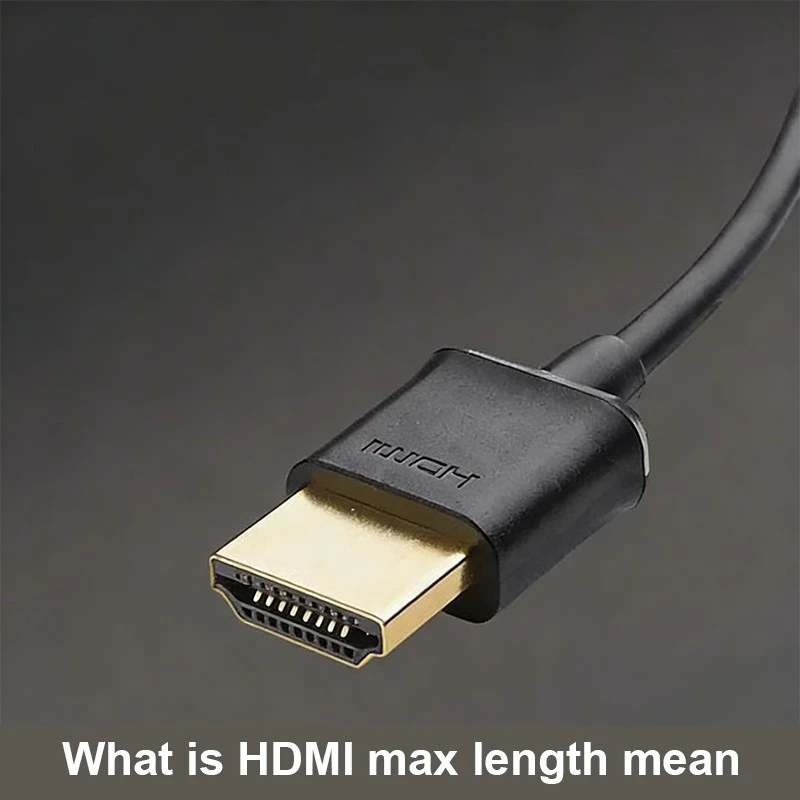
HDMI ខ្លី សម្រាប់ ចំណុច ប្រទាក់ ពហុ មេឌៀ កម្រិត ខ្ពស់ គឺ ជា ស្តង់ដារ ដែល បាន ប្រើ ទូទៅ សម្រាប់ បញ្ជូន វីដេអូ កំណត់ កម្រិត ខ្ពស់ និង សញ្ញា អូឌីយ៉ូ តាម រយៈ ខ្សែ តែ មួយ ។ វា គាំទ្រ វីដេអូ អូឌីយ៉ូ សញ្ញា ត្រួតពិនិត្យ និង Ethernet នៅ ក្នុង កំណែ មួយ ចំនួន ដែល ធ្វើ ឲ្យ វា កម្រិត កម្រិត នៃ ការ តភ្ជាប់ បច្ចុប្បន្ន ។
ពេល យើង និយាយ អំពី ប្រវែង អតិបរមា HDMI ។ យើង កំពុង យោង តាម ចម្ងាយ ខ្សែប ខ្សែ អតិបរមា ដែល សញ្ញា HDMI អាច ត្រូវ បាន បញ្ជូន ដោយ គ្មាន ការ បំបែក ដែល អាច ចំណាំ បាន ។ ការ ទម្លាក់ នេះ អាច រួម បញ្ចូល ការ បាត់បង់ សញ្ញា , ប្លង់ ប្លែង រូបភាព, ទម្លាក់ អូឌីយ៉ូ ឬ បរាជ័យ សញ្ញា ពេញលេញ ។
មិន ដូចជា ខៀវ បណ្ដាញ HDMI ត្រូវ បាន រចនា សម្ព័ន្ធ សម្រាប់ អ៊ីនធឺណិត នៅពេល ដែល កម្មវិធី បង្ហាញ វិនាទី និង ភារកិច្ច បង្កើន តំណត់ សម្រាប់ ចម្ងាយ បញ្ជូន HDMI វែង បាន បង្កើន ជាក់លាក់ ។ វា នាំ ឲ្យ អភិវឌ្ឍន៍ ប្រភេទ ខ្លួន HDMI និង បណ្ដាញ ផ្នែក បន្ថែម សញ្ញា ។
នៅ ក្នុង ពាក្យ ដំណើរការ វវែង អតិបរមា HDMI មិនមែន ជា លេខ ថេរ ទេ ។
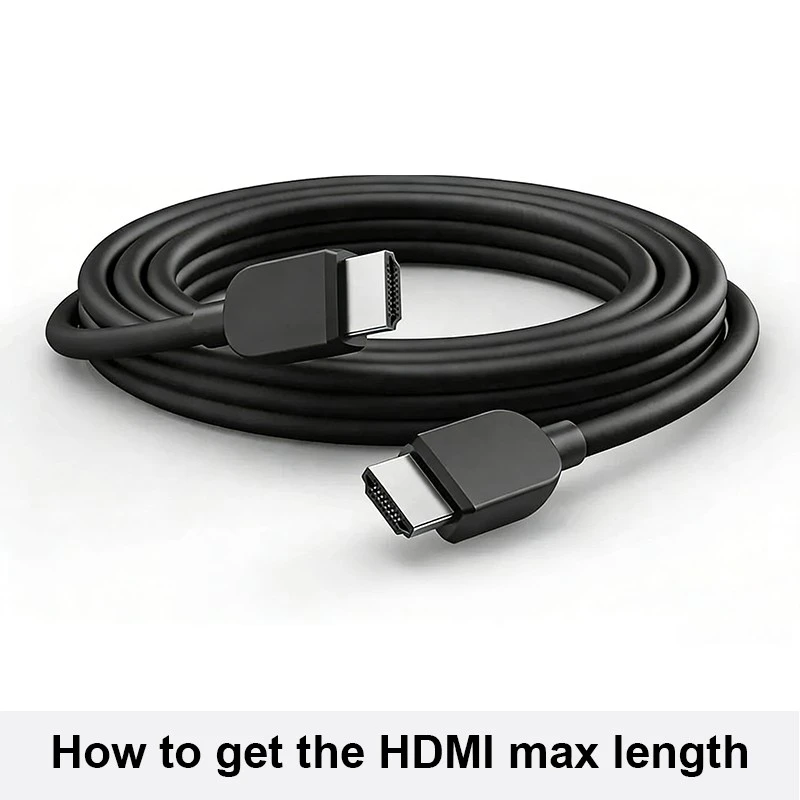
សម្រាប់ ខៀវ HDMI ស្តង់ដារ ប្រវែង អតិបរមា ដែល បាន ទទួល យក ទូទៅ គឺ ៖
ខាងក្រៅ ជួរ នេះ ការ តភ្ជាប់ សញ្ញា ដែល អាច ទាក់ទង បាន ។ ពិសេស ពេល បញ្ជូន មាតិកា គុណភាព ខ្ពស់ ដូចជា 4K@ 60 Hzth ឬ ខ្ពស់ ។
សូម្បី តែ វា សំខាន់ ដើម្បី យល់ ថា ប្រវែង អតិបរមា HDMI ត្រូវ បាន ប៉ះពាល់ ដោយ អថេរ គន្លឹះ ច្រើន ៖
គុណភាព បង្ហាញ ខ្ពស់ ត្រូវការ កម្រិត កម្រិត ខ្ពស់ ខ្ពស់ ។ ឧទាហរណ៍ ៖
មិន បាន បង្កើត ខ្សែ HDMI ទាំងអស់ ទេ ។ កម្មវិធី បង្ហាត់ បង្ហាត់ ល្អ បំផុត និង ការ តភ្ជាប់ គុណភាព ខ្ពស់ អាច បង្កើន ភាព ស្ថានភាព បញ្ជូន ដំណឹង តាម ចម្ងាយ បំផុត ។
ស្តង់ដារ HDMI ផ្សេង គ្នា គាំទ្រ កម្រិត បញ្ជា ផ្សេង ទៀត ៖
ខណៈពេល កំណែ ខ្លួន វា មិន កំណត់ ប្រវែង ខ្លួន ដោយ ផ្ទាល់ ។ សញ្ញា កម្រិត កម្រិត ខ្ពស់ ជាក់លាក់ នូវ ការ បាត់បង់ ចម្ងាយ ។
នៅ ក្នុង ការ ដំឡើង ពិភព លោក ពិត ភាគ ច្រើន ១៥ ម៉ែត្រ ត្រូវ បាន គិត ថា ដែន កំណត់ សម្រេច ដំណើរការ សម្រាប់ ខ្សែ HDMI អនុញ្ញាត ដោយ គ្មាន ការ គាំទ្រ សញ្ញា បន្ថែម ។
នៅ ពេល ខ្សែ ស្តង់ដារ HDMI មិន គ្រប់ គ្រាន់តែ មាន ដំណោះស្រាយ មធ្យោបាយ ច្រើន ដើម្បី ពង្រីក ចម្ងាយ បញ្ជូន HDMI ដោយ គ្មាន ប្រតិបត្តិ គុណភាព ។
ខ្សែ របស់ HDMI សកម្ម រួម បញ្ចូល សញ្ញា បង្កើន សញ្ញា ពួក វា អាច គាំទ្រ ជា ធម្មតា ៖
ខៀវ ទាំងនេះ គឺ ជា ទិស វិនិច្ឆ័យ ហើយ ត្រូវ បាន ដំឡើង ដោយ ត្រឹមត្រូវ ។
ប្រព័ន្ធ បម្លែង សញ្ញា អចិន្ត្រៃយ៍ ក្នុង សញ្ញា អុបទិក ដោយ អនុញ្ញាត ឲ្យ បញ្ជូន ពី ចម្ងាយ ច្រើន ៖
ពួក វា ត្រូវ បាន អនុញ្ញាត ឲ្យ ការ បះបោរ អចិន្ត្រៃយ៍ ដែល ធ្វើ ឲ្យ ពួក វា សម្រេចចិត្ត សម្រាប់ បរិស្ថាន បណ្ដាញ ។
HDMI ពង្រីក ប្រើ CAT6/CAT7 Kables Ethernet ឬ fiber ដើម្បី បញ្ជូន សញ្ញា ៖
ដំណោះស្រាយ ទាំងនេះ ត្រូវ បាន ប្រើ ជា ទូទៅ ក្នុង ជម្រះ វីដេអូ បណ្ដាញ សហត្ថលេខា ឌីជីថល និង ជុំ ធំ ។
អ្នក ម្ដង ទៀត HDMI ឡើងវិញ ធ្វើ ឲ្យ សញ្ញា កម្រិត កម្រិត ពង្រីក ប្រវែង ខ្លាំង សរុប ។ វា មាន ប្រយោជន៍ សម្រាប់ ការ ដំឡើង ដែល លើក ដែន កំណត់ ខ្សែ ស្តង់ដារ ប៉ុន្តែ មិន អនុញ្ញាត ឲ្យ ដំណោះស្រាយ fiber ។
នៅពេល ដែល HDMI គឺ ជា ចំណុច ប្រទាក់ ដែល មាន អនុញ្ញាត ឲ្យ បញ្ជូន ចម្ងាយ បញ្ចូល បញ្ហា បច្ចេកទេស ច្រើន ។
ពេល ប្រវែង ខ្ពស់ បង្កើន កម្លាំង សញ្ញា បន្ថយ ។ នេះ អាច លទ្ធផល ៖
នៅ ក្នុង រត់ HDMI វែង អូឌីយ៉ូ និង វីដេអូ អាច បិទ សមកាលកម្ម ពិសេស ពេល ឧបករណ៍ ច្រើន រួម បញ្ចូល ។
នៅ ក្នុង បរិស្ថាន បណ្ដាញ បណ្ដាញ បណ្ដាញ ពី បណ្ដាញ ប្រព័ន្ធ ពន្លឺ ឬ ឧបករណ៍ ចំណុចប្រទាក់ អាច បង្កើន សញ្ញា HDMI បញ្ចូល ជា មុន
ខ្សែ HDMI វែង គឺ ជា រចនាប័ទ្ម តិចៗ តូចៗ និង ការ ផ្លូវ កាត់ តាម ជញ្ជាំង ឬ conduits ។ ការ ដំឡើង ខុស អាច បន្ថយ គុណភាព សញ្ញា បន្ថយ ទៀត ។
ពីព្រោះ បញ្ហា ទាំងនេះ ការ រចនា ប្រព័ន្ធ ប្រព័ន្ធ មធ្យោបាយ គឺ ជា ធម្មតា សំខាន់ ជាង ការ ជ្រើស កម្រិត វែង ។
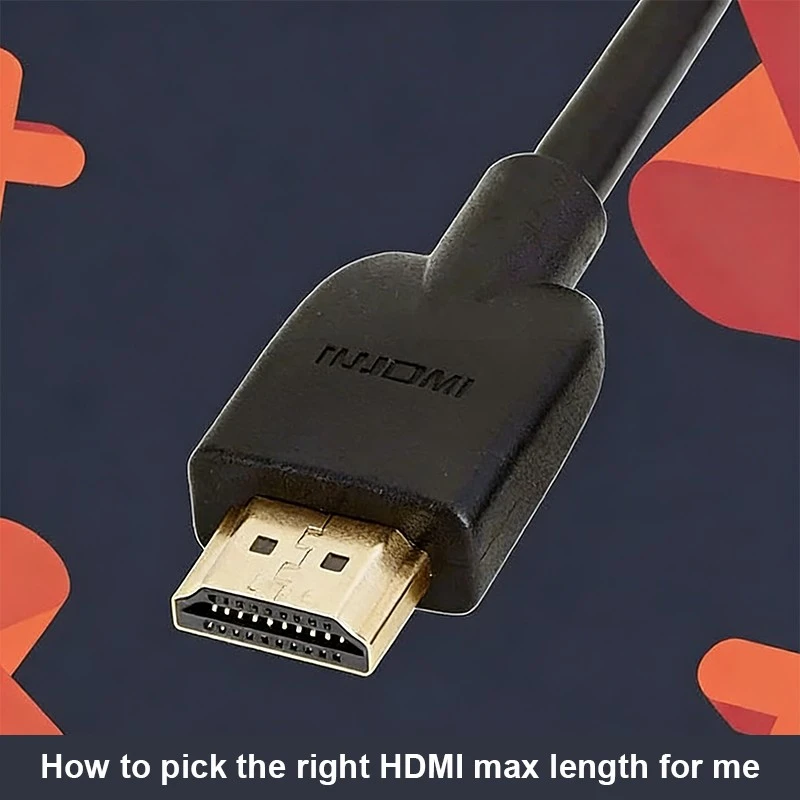
ការ ជ្រើស ប្រវែង អតិបរមា ត្រឹមត្រូវ HDMI ចាប់ផ្ដើម ដោយ យល់ វិធីសាស្ត្រ កម្មវិធី របស់ អ្នក មិន មែន ជា ចម្ងាយ ។
នៅ ក្នុង កម្មវិធី ពិភព លោក ដូចជា ៖
ប្រវែង HDMI អតិ. ជំនួស វា ជា ផ្នែក នៃ ប្រព័ន្ធ ការ បញ្ជូន សញ្ញា និង ប្រព័ន្ធ បង្ហាញ ពេញលេញ ។
នេះ គឺ ជា កន្លែង ដែល អ្នក បង្កើត ការ បង្ហាញ ភារកិច្ច លេង តួនាទី សំខាន់ ។
ជា កម្មវិធី បង្កើត វិធីសាស្ត្រ នៃ ក្ដារ សំណុំ អន្តរសកម្ម, សញ្ញា ឌីជីថល, ជង់ វីដេអូ LCD និង ការ បង្ហាញ វិនាស Qtenboard យល់ ថា បញ្ហា ប្រវែង អតិបរមា HDMI គឺ ខុស ពី គម្រោង ទៅ គម្រោង ។
ជំនួស ឲ្យ ផ្ដល់ ដំណោះស្រាយ ទំហំ ទំហំ មួយ-fits- ទាំងអស់ Qtenboard ដំណើរការ ជាមួយ អ្នក ភ្ញៀវ ៖
ថាតើ វា ជា ការ រៀបចំ ជួប ប្រទះ ចម្ងាយ ឬ ការ រៀបចំ ហត្ថលេខា ឌីជីថល ចម្ងាយ វែង Qtenboard គាំទ្រ ម៉ាស៊ីន ភ្ញៀវ ដោយ ផ្គូផ្គង ផ្គូផ្គង ដំណោះស្រាយ តភ្ជាប់ ត្រឹមត្រូវ ចំពោះ ការ ចាំបាច់ ពិត ប្រាកដ និង ភាព ជម្រើស .
ប្រវែង HDMI អតិ. និង សិទ្ធិ អ្នក ប្រើ ។ ខណៈពេល ខ្សែ ស្តង់ដារ HDMI គឺ សមរម្យ សម្រាប់ ចម្រៀង ខ្លះ ការ ដំឡើង កម្រិត ខ្ពស់ ត្រូវការ ការ រៀបចំ គ្រោង និង បន្សំ ត្រឹមត្រូវ របស់ ខៀវ ចន្លោះ ។ និង ដំណោះស្រាយ គ្រប់គ្រង សញ្ញា ។
ដោយ ដឹង ថា ប្រវែង អតិបរមា របស់ HDMI ធ្វើការ និង ជ្រើស ដំណោះស្រាយ ដែល មាន មូលដ្ឋាន លើ កម្មវិធី ពិត ។ អ្នក ប្រើ អាច ជៀសវាង បញ្ហា សញ្ញា ធម្មតា និង ប្រាកដ ថាស អូឌីយ៉ូវ៉ា កម្រិត ខ្ពស់ ។
ប្រសិន បើ អ្នក រៀបចំ គម្រោង ការបង្ហាញ បណ្ដាញ និង មិន ប្រាកដ ថា តើ ដំណោះស្រាយ HDMI គឺ សមរម្យ សម្រាប់ ការ រៀបចំ របស់ អ្នក ។ ការ ធ្វើការ ជាមួយ ក្រុមហ៊ុន បង្កើត ដែល មាន ភារកិច្ច ដូចជា Qtenboard អាច ជួយ អ្នក ឲ្យ រចនា ប្រព័ន្ធ ដែល ផ្ដល់ ទាំង អស់ ការ ប្រតិបត្តិ និង ភាព ជម្រើស ចម្ងាយ ។
ចុច ដើម្បី អាន លម្អិត លម្អិត លម្អិត និង សិក្សា អំពី លក្ខណៈ ពិសេស មុខងារ របស់ វា និង ការ ប្រតិបត្តិការ ពិត ។
📖អាន លទ្ធផល@ info: whatsthis
 HKM
HKM
 EN
EN  MAY
MAY  TH
TH  CHT
CHT  ID
ID  BUR
BUR  FIL
FIL  LAO
LAO  SIN
SIN  VIE
VIE